Hopsworks 5.0 Ships the First Agent-Native AI Lakehouse

The biggest move in the data/AI stack today isn’t another model drop. It’s Hopsworks 5.0, which just repositioned the entire platform as an “AI Lakehouse built around the Coding AI and Data Stack.”
The headline feature: a full coding agent and terminal baked straight into the platform, pre-loaded with Claude Code and Codex. No more hopping between fragmented tools. The agent can now instrument feature pipelines, training jobs, inference endpoints, Streamlit apps, and dashboards from one unified dev container environment.
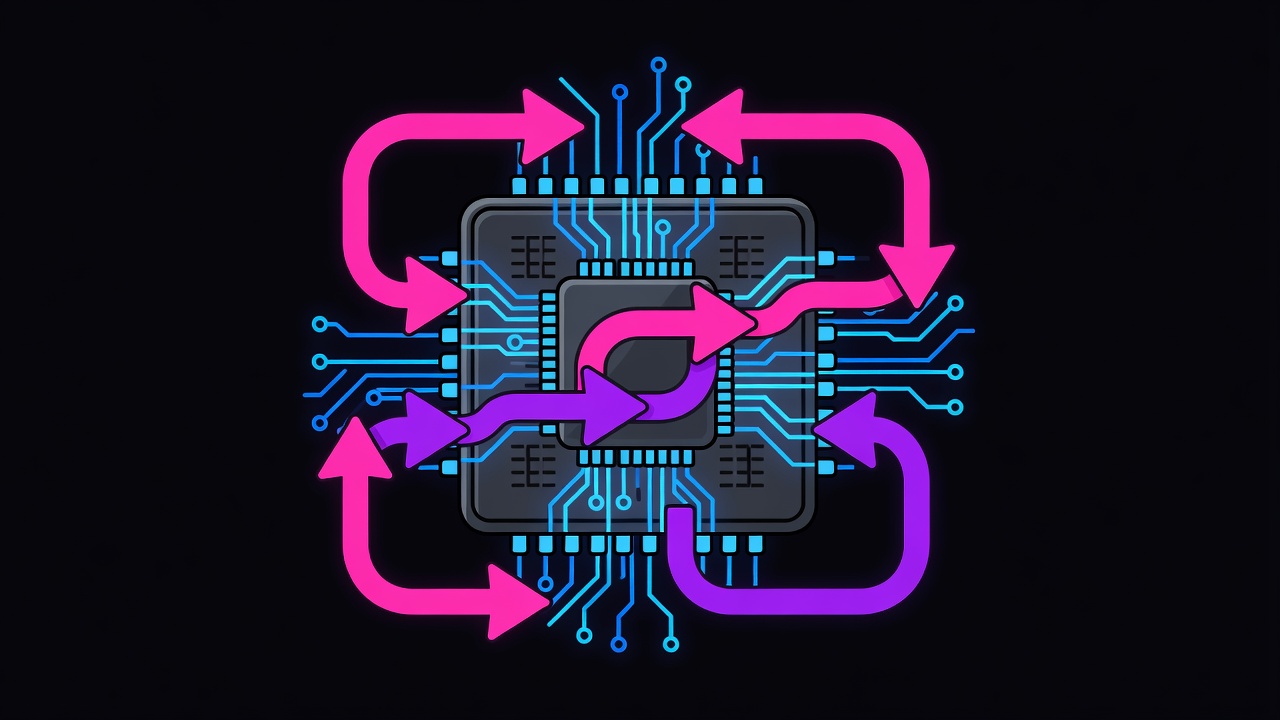
This isn’t just convenience theater. Jim Dowling (CEO) called it the end of low-code/no-code lakehouses. The low-code layer is now obsolete for serious work; instead you get first-class support for building and operating everything from a single Terminal UI.
The timing lines up with the broader shift we’re seeing: AI coding agents have solved output volume. The new bottleneck is judgment, orchestration, and keeping the agent from deleting the wrong inbox.
On the security side, June closed out with a fresh batch of open-source agent tooling. Agent Threat Rules gives teams an open detection format for prompt injection, tool poisoning, and credential theft inside coding agents. Agent Beacon adds a telemetry layer for tracking what Claude Code, Codex CLI, Cursor, and multi-agent setups are actually doing on developer machines and in CI.
Mozilla also dropped warnings about indirect prompt injection risks in exactly these tools. The access that makes agents useful is the same access that creates new attack surfaces.
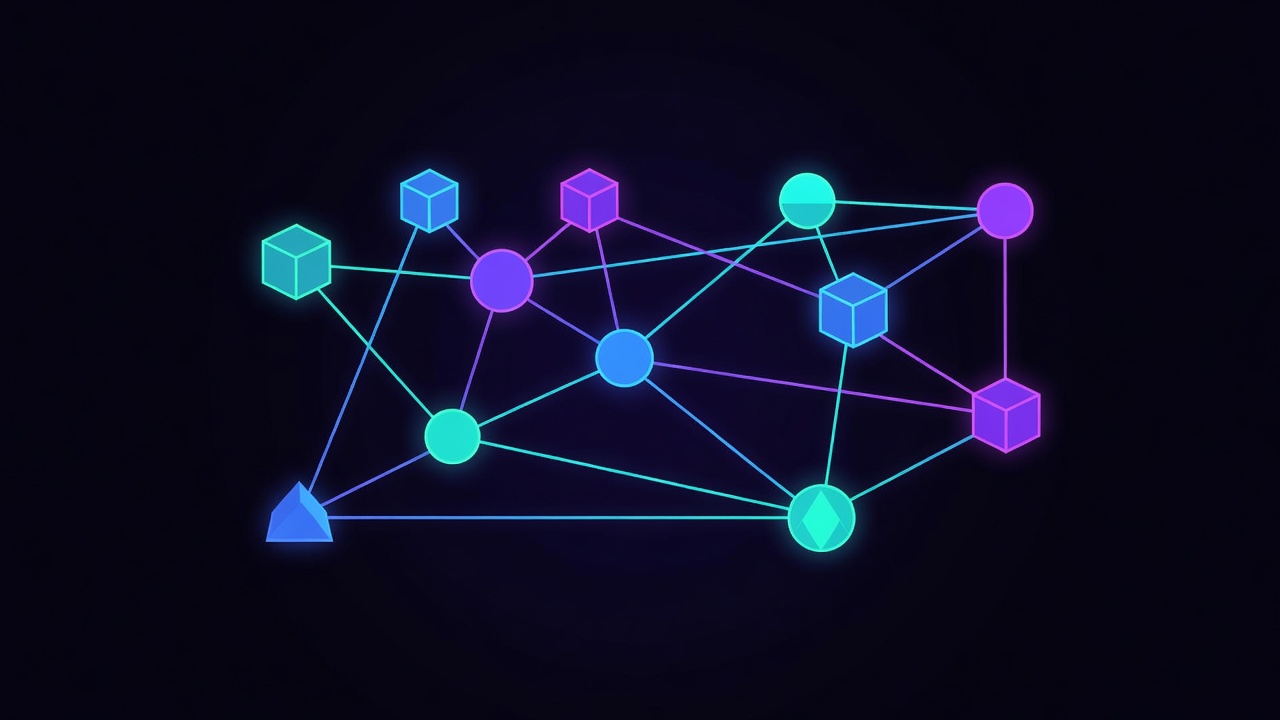
Hopsworks 5.0 also added Trino query engine, native Apache Iceberg support, and real-time transformations in RonDB — all still accessible through the same agent terminal. The bet is clear: the future of the data stack isn’t more dashboards and low-code builders. It’s agents that can actually reason over the full pipeline in one place.
Primary sources:
The agent-native lakehouse is here. The question now is how fast the rest of the ecosystem follows — or gets left running legacy no-code glue.