Jump Start Guide to CW / Morse Code
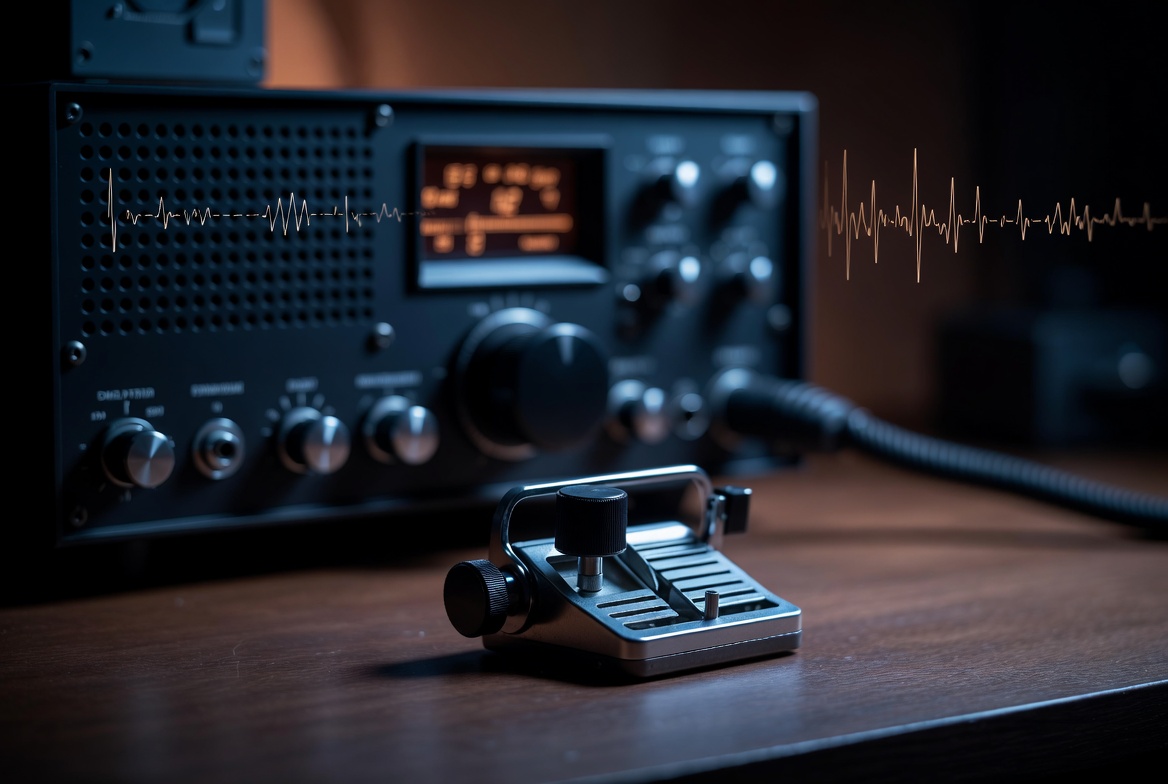
Jump Start Guide to CW (Morse Code)
CW (Continuous Wave) is still one of the most effective and enjoyable modes in amateur radio in 2026. It cuts through noise better than voice, works with very low power (QRP), and has a unique rhythm that feels almost like a language once it clicks.
This guide is meant to get you from zero to making real contacts without getting lost in theory.
Why Learn CW?
- Works when SSB is unreadable
- Excellent for QRP / portable / SOTA / POTA
- Smaller station footprint (great for Jeep / trail use)
- The “magic” of hearing your own callsign come back in CW
- Still very active on HF (especially 40m, 20m, 30m)
The Code You Actually Need First
Learn these in roughly this order:
Letters (learn as sounds, not dots/dashes)
| Letter | Sound (think this) | Letter | Sound (think this) |
|---|---|---|---|
| A | di-dah | N | dah-dit |
| B | dah-di-di-dit | O | dah-dah-dah |
| C | dah-di-dah-dit | P | di-dah-dah-dit |
| D | dah-di-dit | Q | dah-dah-di-dah |
| E | dit | R | di-dah-dit |
| F | di-di-dah-dit | S | di-di-dit |
| G | dah-dah-dit | T | dah |
| H | di-di-di-dit | U | di-di-dah |
| I | di-dit | V | di-di-di-dah |
| J | di-dah-dah-dah | W | di-dah-dah |
| K | dah-di-dah | X | dah-di-di-dah |
| L | di-dah-di-dit | Y | dah-di-dah-dah |
| M | dah-dah | Z | dah-dah-di-dit |
Numbers
0 = dah-dah-dah-dah-dah
1 = di-dah-dah-dah-dah
2 = di-di-dah-dah-dah
3 = di-di-di-dah-dah
4 = di-di-di-di-dah
5 = di-di-di-di-dit
6 = dah-di-di-di-dit
7 = dah-dah-di-di-dit
8 = dah-dah-dah-di-dit
9 = dah-dah-dah-dah-dit
Most Useful Prosigns (send as one character)
- K — Go ahead / over (most important)
- R — Received / Roger
- AR (.-.-.) — End of message
- SK (…-.-) — End of contact / clear
- BT (-…-) — Break / new paragraph (very useful while thinking)
- KN (-.-.–) — Go ahead only the station I called
- HH (……..) — Mistake, ignore what I just sent
- AS (.-…) — Stand by / wait
Realistic Learning Path (What Actually Works)
- Learn the characters by sound only (never count dots/dashes)
- Best apps right now: Morse Mania (iOS/Android) or Morse Elmer
- Alternative: Long Island CW Club (LICW) or CWOPS CW Academy (structured classes)
-
Use Farnsworth timing early (characters sent fast, spaces longer) — this is the secret most beginners miss.
-
Daily short practice beats long weekend sessions. 15–20 minutes/day is ideal.
-
Head copy before writing everything down. Force yourself to copy in your head.
- Get on air as soon as you can copy ~10–12 WPM. You don’t need to be fast.
Sending Basics
- Iambic paddle (dual-lever) is generally easier and more common than a straight key for most new ops.
- Good paddles in 2026: Begali, N3ZN, March Magnetic, or solid budget options.
- Start with a cheap paddle + keyer (or built into your radio).
- Focus on rhythm and spacing more than speed at first.
On-Air Etiquette & First QSO Tips
- Call CQ slowly and clearly.
- Use K at the end of your transmission when you want anyone to answer.
- Use KN when you only want the station you called to reply.
- Send R when you’ve copied their info.
- End with SK + your callsign.
- Keep early QSOs short and simple: RST, name, QTH, rig/power, 73.
Many new CW ops are surprised how friendly and patient the CW community is.
Current Best Resources (2026)
- Long Island CW Club (LICW) — Excellent self-paced + live classes
- CWOPS CW Academy — Structured 8-week classes (highly recommended)
- Morse Code Ninja — Great reference + practice tools
- Kurt Zoglmann YouTube channel — Very practical modern advice
- House of Ham CW playlist
- SKCC (Straight Key Century Club) — Great for slow-speed practice
Next Steps After This Guide
- Set up a simple station (even 5–10W QRP + wire antenna works)
- Pick one app and do 15 min/day
- Listen to real QSOs on 40m or 20m (especially evenings)
- Make your first CW contact — even if it’s slow and clumsy
Once you make that first real QSO in CW, it usually hooks you.
Reference post for the Spaghetti Stories site. Practical CW jump-start for new and returning hams.